Caketar Font: A Script Typeface for Editorial Design
Caketar for Wedding Invitations and Elegant Branding
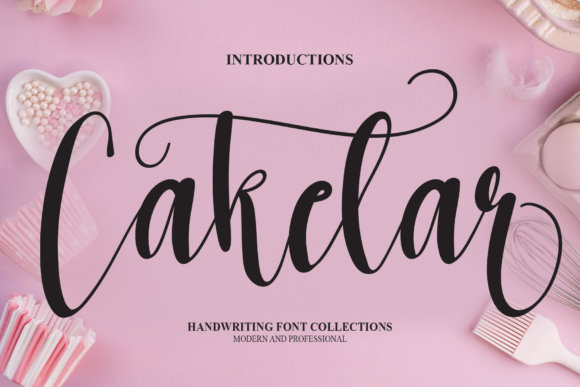
When it comes to crafting a wedding invitation that feels personal yet polished, Caketar, a script handwritten font, delivers the perfect balance. Its flowing curves and elegant letterforms make it ideal for creating a sense of intimacy and sophistication. Whether you're designing digital invites for a social media post or print versions for guests to sign, Caketar adds a touch of charm that stands out in a crowded inbox or feed.
For branding purposes, especially in niches like luxury lifestyle, fashion, or boutique services, using a Caketar typeface can elevate your visual identity. It’s not just a font—it's a design asset that communicates warmth and professionalism. Pair it with a clean sans serif for body text to maintain readability while still showcasing the beauty of a handwritten script font.
Caketar in Magazine Covers and Blog Headers
Magazine covers and blog headers need to capture attention quickly. Caketar, as a premium script font, is excellent for these purposes due to its distinctive personality. The font's natural fluidity allows for dynamic layouts without overwhelming the reader. It works particularly well when used for titles or section headings in editorial design where style plays a key role.
Consider using Caketar for a seasonal issue of your magazine or a featured article on a blog homepage. Its presence immediately draws the eye and sets a tone of creativity. Just be mindful of legibility—since it's a script handwritten font, it should be reserved for display use rather than long-form reading. For blog headers, pair it with a more structured font for subheadings to create a clear visual hierarchy.
Caketar for Ebook Titles and Chapter Openers
Ebook creators often look for a unique Caketar typeface to give their content a creative edge. As a script font, it brings an organic feel to book covers, chapter titles, and title pages. This makes it especially appealing for genres like romance, self-help, or art-focused publications where the visual tone matters as much as the content itself.
Use Caketar for main titles to add flair, but ensure that subtitles and body text are in a more readable format. Its expressive nature can also work beautifully for chapter openers, allowing each section to begin with a visually engaging header. When exporting to PDF or preparing for print, test how Caketar looks at different sizes to preserve clarity and elegance across all formats.
Caketar in Newsletter Graphics and Quote Layouts
Caketar shines in newsletter graphics and pull quote designs. Its handwritten script style gives quotes a personal and artistic feel, making them stand out from the rest of the content. In newsletters, it can be used for call-to-action buttons, featured headlines, or motivational messages—anywhere you want to inject a bit of warmth into your message.
Because it's a decorative Fonts option, avoid overusing Caketar in lengthy paragraphs. Instead, reserve it for short, impactful phrases. You might use it for a monthly quote graphic or a highlighted testimonial block. To keep your newsletter accessible and professional, pair it with a simple serif or sans serif font for the supporting text and navigation elements.
Caketar for Product Packaging and Digital Publications
In product packaging design, Caketar can help establish a premium or artisanal aesthetic. If you're launching a line of handmade soaps, gourmet teas, or bespoke stationery, this script handwritten font could become a signature element of your brand identity. Its soft, flowing strokes evoke a sense of craftsmanship and care, which is exactly what consumers look for in niche or high-end products.
For digital publications such as digital magazines or online guides, consider using Caketar sparingly for section dividers or cover art. While it may not be suitable for large blocks of text, it adds a memorable touch to page numbers, headers, and special features. Always check if the font supports multilingual characters if your publication has an international audience.
Caketar in Lead Magnets and Printable Worksheets
Lead magnets and printable worksheets often rely on visual appeal to attract downloads. A Caketar font can enhance the attractiveness of your lead magnet by adding a stylish, modern typographic touch. Think of a downloadable worksheet titled “5 Daily Habits for a Happier Life” styled with Caketar—its script handwritten nature instantly conveys approachability and creativity.
However, remember that these materials are frequently viewed on screens or printed at home. Test the Fonts in both environments to ensure they remain legible. Use Caketar for headings and decorative elements, but always support it with a secondary font for body text and instructions. This combination maintains usability while keeping your design fresh and inviting.
Caketar for Social Media Posts and Web Design
Social media posts benefit greatly from a strong visual identity. Caketar, being a versatile script handwritten font, can be used for captions, banners, or promotional graphics. Whether you’re promoting a new blog post or sharing a client success story, the right font choice can significantly impact engagement. Caketar helps your content pop without feeling overly stylized or hard to read.
On websites or landing pages, use Caketar for hero sections, taglines, or feature highlights. It complements web design trends that favor expressive typography. However, because it’s a decorative Fonts, avoid using it in areas where quick scanning is important. Pair it with a minimalist sans serif to ensure that your message remains clear and your design stays balanced.
Caketar in Logo Design and Brand Identity
A logo is the face of your brand, and choosing the right Caketar typeface can help define your visual tone. As a script handwritten Fonts, it’s particularly effective for brands that want to convey a personal, handcrafted, or luxurious image. From small business logos to independent creator brands, Caketar offers a timeless yet contemporary aesthetic.
If you're building a brand identity around a creative or lifestyle service, integrating Caketar into your logo ensures immediate visual recognition. Make sure to review the font’s licensing to confirm whether it supports commercial use for logos and brand assets. With the right pairing and styling, Caketar can anchor a cohesive and memorable brand experience.
Caketar for Visual Hierarchy and Reader Attention
Editorial design thrives on strong visual hierarchy. Caketar excels at drawing attention to key elements like headings, pull quotes, and feature stories. As a script handwritten font, it naturally commands focus and adds a layer of sophistication to your layout.
When using Caketar in articles or guides, apply it to titles and chapter headings. This helps readers navigate the content easily while maintaining an engaging visual rhythm. For instance, in a recipe ebook, using Caketar for the dessert section title can highlight its importance and entice readers to explore further.
Caketar in Print and Mobile Layouts
Readability across platforms is essential for any publication. Caketar, while beautiful, requires careful implementation in both print and mobile layouts. In print, it performs best when sized appropriately and used in high-contrast settings. On mobile, ensure that the font doesn’t lose clarity at smaller dimensions, especially in digital newsletters or web-based content.
To optimize for screen reading, limit Caketar to display roles and avoid using it in menus, footnotes, or other microcopy. Its script handwritten style is more suited to emotional resonance than functional clarity. Still, when applied thoughtfully, it enhances the visual tone of your work and keeps your audience engaged.
Font Pairing Tips with Caketar
Combining Caketar with complementary Fonts can elevate your design. Since it’s a decorative script, it pairs well with:
- Readable Serif Fonts (e.g., Merriweather, Lora) for body copy and longer passages.
- Clean Sans Serif Fonts (e.g., Roboto, Open Sans) for captions, sidebars, and navigation elements.
- Modern Display Fonts (e.g., Montserrat, Bebas Neue) for bold accents and contrast.
This kind of font pairing ensures your publication remains stylish yet easy to consume. Test combinations in real-world layouts to see how they perform together before finalizing your design.
Commercial Licensing Considerations for Caketar
If you plan to use Caketar in paid publications, templates, or digital downloads, it's crucial to verify its commercial licensing. Many Fonts, especially script handwritten ones, have restrictions on use for resale or mass distribution. Check the font provider’s license agreement to confirm whether it supports:
- ebooks sold on Amazon or other platforms
- printable templates or worksheets for sale
- newsletter branding for a subscription-based service
- logo design for clients
- packaging for retail products
Knowing the terms upfront saves time and protects your work. Some fonts include multiple styles and weights; if Caketar does, take advantage of those variations to build a more dynamic typographic palette for your projects.
Practical Uses of Caketar Across Content Types
Here are some real-world applications of Caketar in editorial design:
- Lifestyle blogs: Use Caketar for headers to add a warm, human touch.
- Wedding guides: Feature it in invitations, thank-you cards, and ceremony programs for a romantic feel.
- Coaching workbooks: Apply it to chapter titles and reflection prompts for an inspiring layout.
- Digital magazines: Incorporate it into cover art and section dividers for a modern twist.
- Printable planners: Style weekly headers or goal-setting prompts to make them more inviting.
Each of these examples shows how a script handwritten font can shape the reader’s experience while staying true to the purpose of the publication. Caketar isn’t just about aesthetics—it's about enhancing the emotional and visual connection between your content and your audience.
Caketar for Modern Typography and Creative Projects
As part of your Caketar toolkit, this Fonts selection can bring life to your most creative projects. Whether you're working on a designer portfolio, a course outline, or a digital newsletter, Caketar adds a unique voice to your visuals. It's especially useful in projects where you want to stand out without sacrificing professionalism.
Remember to consider the context. A script handwritten font like Caketar may not be appropriate for every project, but when used correctly, it becomes a powerful tool for storytelling and branding. Keep experimenting with its alternates and ligatures to discover how it can enhance your next design piece.